Readings · HSK 6

读一读 · HSK 6 阅读 · food

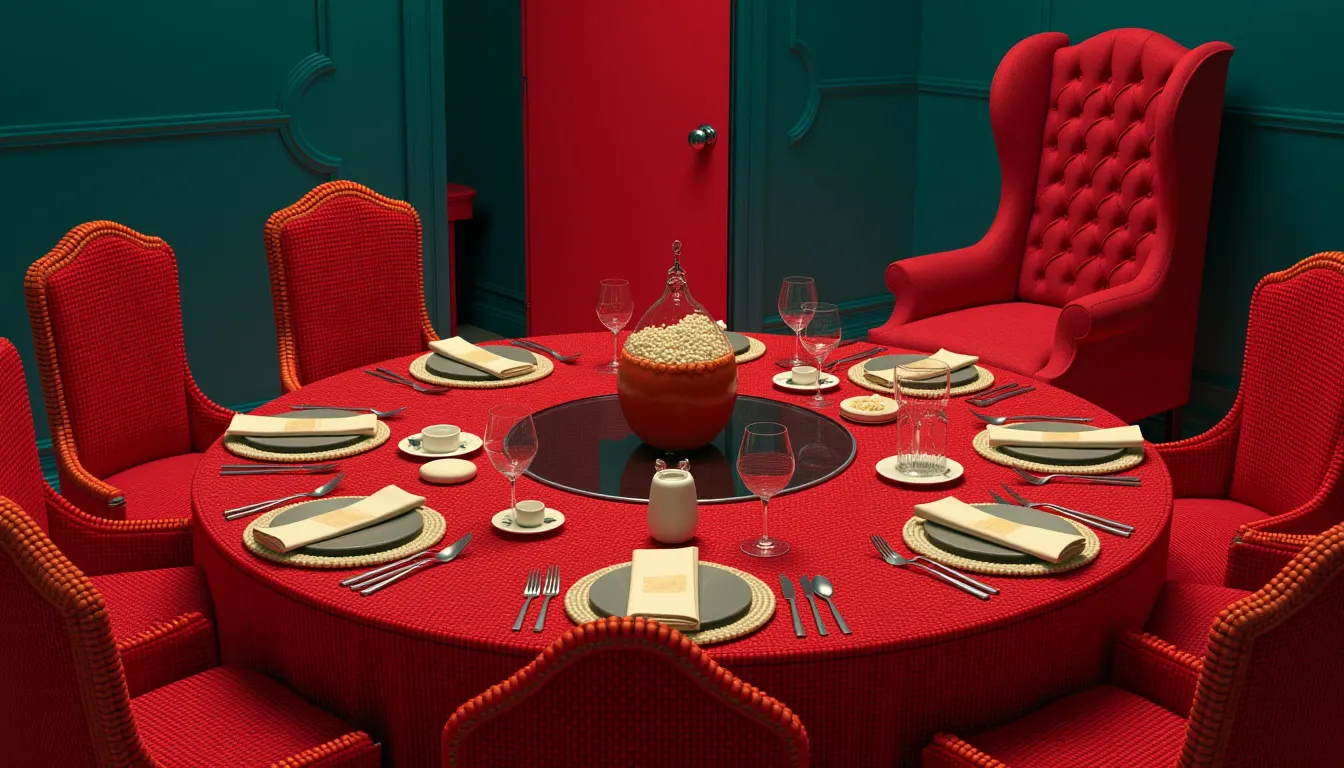
饭桌上的座位

Who Sits Where at the Table

生词 · New in this passage

宴请to host a banquet for someone
主位the seat of honor (facing the door, for the most senior person)
敬酒to toast; to propose a toast
上菜to serve dishes (at a meal)

今天公司宴请一位重要客人,大家陆续走进饭馆,开始找座位。

Today the company is hosting an important guest for a banquet. Everyone filed into the restaurant and started looking for a seat.

新同事

这张桌子最大的位置,好像正对着门,我先坐这儿吧。

This looks like the biggest seat at the table, right facing the door. I'll just sit here.

前辈

先别坐,你看一下,这个位置是主位,是留给今天最重要的客人的。

Wait, don't sit yet. Look, that seat is the seat of honor. It's kept for the most important guest here today.

新同事

主位?为什么正对着门的位置是主位?我以为随便坐都可以。

The seat of honor? Why is the seat facing the door the seat of honor? I thought you could just sit anywhere.

前辈

这是老规矩了,尤其是像今天这样正式的宴请,更要注意。正对门的人,能看到谁进来、谁出去,所以这个位置最受尊重,一般留给客人那边最重要、年纪也最大的人。

It's an old custom, and it matters even more at a formal banquet like today's. The person facing the door can see who comes in and who goes out, so that seat is the most respected, and it's usually kept for whoever on the guest side is the most important and the oldest.

新同事

我明白了,那我坐这边吧。除了主位,别的位置也有讲究吗?

I see. Then I'll sit over here. Besides the seat of honor, do the other seats matter too?

前辈

有。离主位越近,位置越重要;离门越近,位置越普通,一般是年轻人坐的,方便倒酒、叫服务员。

They do. The closer a seat is to the seat of honor, the more important it is. The closer to the door, the more ordinary, and that's usually where the younger people sit, so they can easily pour drinks and call the waiter.

新同事

那敬酒呢?是不是也要按顺序来,不能想敬谁就敬谁?

What about toasting? Do you have to follow an order too? You can't just toast whoever you want?

前辈

对,一般先给主位敬酒,然后从年纪大的、职位高的人开始,一个一个来。给长辈敬酒以前,要先帮他把酒倒满,这也是一种尊重。

Right. You usually toast the seat of honor first, then go from the oldest and highest-ranking people down, one by one. Before you toast an elder, you should first fill their glass, that's also a sign of respect.

新同事

那上菜呢?我看服务员每次都把新的菜放在同一个方向,是不是也有原因?

What about serving the dishes? I noticed the waiter always puts the new dish facing the same direction. Is there a reason for that too?

前辈

有,上菜的时候,新的菜会先对着主位摆好,主位的客人先动筷子,大家才开始吃,这样上菜才不会显得没有礼貌。

Yes. When a dish is served, it's placed facing the seat of honor first, and the guest in the seat of honor eats first before everyone else starts, that way serving the dishes doesn't come across as impolite.

新同事

这么多讲究,主位、敬酒、上菜,参加宴请都要记住顺序,会不会太复杂了?现在的年轻人是不是都不太在乎这些了?

That's a lot to keep track of, the seat of honor, toasting, serving dishes, remembering the order every time you're at a banquet. Isn't that a bit too complicated? Don't young people these days not care so much about this stuff anymore?

前辈

说实话,我有时候也会记错,尤其是人多、桌子是圆的时候,一下子分不清谁该坐主位。所以我现在坐下以前,都会先看看谁已经到了,谁还没来,再选位置。

Honestly, I sometimes get it wrong too, especially when there are a lot of people and the table is round, it's hard to tell right away who should be in the seat of honor. So now, before I sit down, I always look at who's already arrived and who hasn't, before I choose a seat.

新同事

谢谢你告诉我这些,不然我今天可能就坐错了主位,让大家笑话了。

Thanks for telling me all this. Otherwise I might have sat in the seat of honor by mistake today and been laughed at by everyone.

前辈

没事,我们都是这样一点点学会的。以后你自己宴请客人的时候,也要记得把主位留给最重要的人。

It's fine, we all learned this bit by bit. Later, when you're the one hosting a banquet for guests, remember to leave the seat of honor for the most important person too.

看懂了吗 · Check yourself

Where does the new colleague first sit, before he is stopped?

正对着门

According to the older colleague, why is the seat facing the door the most respected?

正对门的人,能看到谁进来、谁出去

What should you do before toasting an elder?

先帮他把酒倒满

What does the older colleague do herself before choosing a seat?

先看看谁已经到了,谁还没来,再选位置

What does the older colleague tell the new colleague to remember when he hosts guests himself in the future?

把主位留给最重要的人

Read it with the crutches, then without them. In the study room this passage comes with pinyin you can toggle on a character at a time, a native recording that highlights each word as it is spoken, and the comprehension check as a real graded quiz. It arrives when the words in it are ones you have already learned.

Open this reading in the app

More HSK 6 readings

Who Eats the Last Piece最后一块该谁吃At the end of a home dinner party, one piece of fish sits untouched on the plate while everyone insists they are already full. A newcomer to the table…HSK 6 · 525 characters · 6 min · foodA White Horse Is Not a Horse白马非马An online fight over whether a hot dog is a sandwich reminds one friend of an ancient Chinese logic riddle: the philosopher Gongsun Long argued a whit…HSK 6 · 534 characters · 6 min · philosophyThe Seat You Give Up on the Subway地铁上让出去的座位A young commuter gives up her subway seat to an elderly passenger without being asked, and instead of thanking her, he seems almost offended, mutterin…HSK 6 · 535 characters · 6 min · cultureThe Meeting That Could Have Been a Message本可以是一条消息的会议An employee argues that most of her week's meetings only restate a document nobody read, and exist to make the organizer look busy. Her manager pushes…HSK 6 · 541 characters · 6 min · current-eventsThe Poet Who Kept Getting Demoted一贬再贬的诗人Two readers notice that Su Shi wrote many of his most famous works only after being demoted and exiled, first to Huangzhou, later to Huizhou and Haina…HSK 6 · 620 characters · 7 min · literatureWhy We Pickle为什么要腌菜Every autumn a grandmother still fills jars with pickled vegetables, decades after the refrigerator made it unnecessary. Her granddaughter pushes back…HSK 6 · 645 characters · 7 min · food

All HSK 6 readings → The whole library →