读一读 · HSK 2 阅读 · culture
为什么都是红色的
Why Everything Is Red
生词 · New in this passage
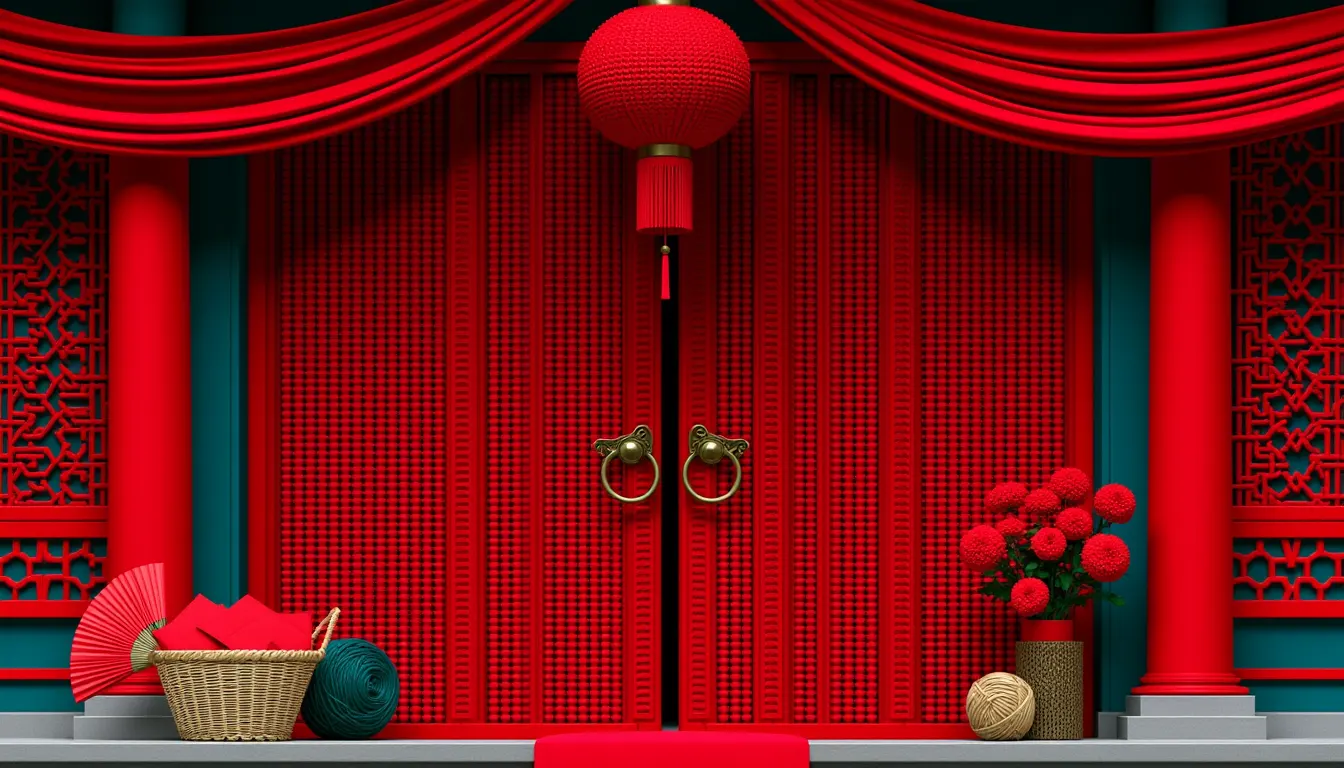
这里的门是红的,桌子是红的,红包也是红的。为什么今天都是红色的?
The doors here are red, the tables are red, and the envelopes are red too. Why is everything red today?
因为我朋友今天结婚。结婚的时候,我们喜欢红色,红色是高兴的颜色。
Because my friend is getting married today. At weddings we like red. Red is the happy color.
高兴的颜色?为什么是红色,不是别的颜色?
The happy color? Why red, and not some other color?
我也不知道为什么。我们从小就这样,没有人问为什么。
I don't actually know why either. We've been like this since we were small. Nobody asks why.
那红包里面是什么?
So what's inside the red envelope?
红包里面是钱。结婚的时候,朋友给钱;新年的时候,爸爸妈妈也给孩子红包。
Money. At weddings, friends give money in them. At New Year, parents give their kids red envelopes too.
红色,钱,都是高兴的事情。如果我结婚,我可以穿红色的衣服吗?
Red, money, all happy things. If I get married, can I wear red clothes?
可以!中国的新娘很多都穿红色。但是白色不一样,我们结婚的时候不穿白色。
You can! Many Chinese brides wear red. But white is different. We don't wear white at weddings.
为什么不穿白色?在美国,新娘穿白色的衣服。
Why not white? In America, brides wear white clothes.
因为白色是别的日子穿的。是家里死了人的时候穿的。
Because white is worn on a different kind of day. It's worn when someone in the family has died.
死?你是说,白色不是高兴的颜色,是不高兴的颜色?
Died? You're saying white isn't the happy color, it's the unhappy color?
对。家里死了人,就穿白的;家里结婚,就穿红的。
Right. When someone in the family has died, you wear white. When there's a wedding in the family, you wear red.
所以新娘穿红色,不穿白色,这个我懂了。新年为什么也是红色?
So brides wear red, not white, I understand that now. Why is New Year also red?
新年的时候,我们觉得那是一年最好的开始,所以新年也是红色。你们美国呢?你们最喜欢什么颜色?
At New Year we feel like it's the best start to a year, so New Year is red too. What about you, in America? What color do you like most?
我们喜欢白色。新娘穿白色的衣服。但是黑色不一样,家里死了人的时候,我们穿黑的。
We like white. Brides wear white clothes. But black is different. When someone in the family has died, we wear black.
你们结婚穿白的,我们结婚穿红的;你们死了人穿黑的,我们死了人穿白的。真不一样。
You wear white at weddings, we wear red. You wear black when someone dies, we wear white. Really different.
看懂了吗 · Check yourself
According to Wang Fang, why do people use red at weddings?
红色是高兴的颜色
What is inside a red envelope?
钱
When do Chinese people wear white, according to Wang Fang?
家里死了人的时候
What color do Americans wear when someone has died, according to Kate?
黑的