读一读 · HSK 5 阅读 · history
改变阅读方式的活字
The Print Shop That Changed Reading
生词 · New in this passage
林安,你看,这张纸是我上个星期收藏的,你猜猜这是用什么方法印出来的?
Lin An, look, this page is something I added to my collection last week. Guess what method it was printed with.
你这些年收藏了不少老东西啊,这张也是你自己收藏到的吗?看着跟一般的书差不多,是先在木板上刻好字,然后一直用那块木板印的吧?
You've collected quite a few old things over the years. Did you get this one yourself too? It looks about the same as an ordinary book to me. They carved the characters onto a wooden board first, and then kept printing from that same board, right?
你猜错了。这张纸不是木板印的,是活字印刷印出来的,每个字都是单独做的,用完可以拿出来,重新排别的字。
You guessed wrong. This page wasn't printed from a woodblock. It was printed with movable type. Each character was made separately, so once you finished with it you could take it out and rearrange it into different characters.
每个字都单独做?那得多麻烦啊,为什么不直接刻一整块木板?
Each character made separately? That sounds like so much more trouble. Why not just carve one whole board?
这个方法是一个叫毕昇的人发明的。他是宋朝人,大概一千年前,没有钱,也不是什么大官,就是一个普通的印刷工人。
This method was invented by a man named Bi Sheng. He was from the Song dynasty, roughly a thousand years ago. He had no money and wasn't any kind of official, he was just an ordinary print worker.
一个普通工人,怎么会想到这样的办法?
Just an ordinary worker, how did he come up with a method like this?
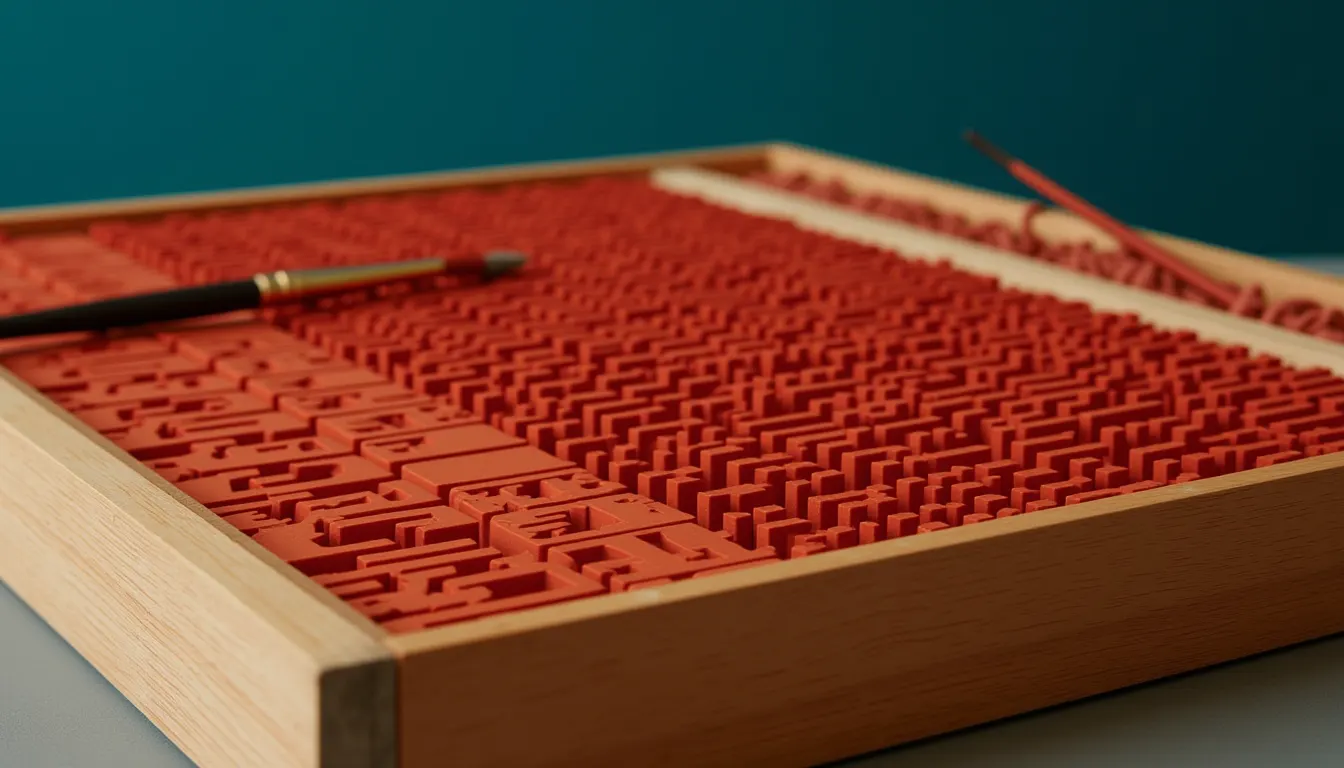
他觉得每次印新的一页都要重新刻一整块木板,太花时间,也太花力气。所以他把字一个一个刻在泥上,再用火把泥烧硬,这样字就跟小石头一样硬了。
He felt that carving a whole new woodblock every time you wanted to print a new page took too much time and too much effort. So he carved the characters one by one in clay, then used fire to bake the clay hard, so the characters ended up as hard as little stones.
泥做的字,那要怎么印呢?一个一个字,肯定不容易排整齐吧?
Characters made of clay, so how do you actually print with them? Surely lining up each individual character neatly isn't easy?
他把烧硬的泥字一个一个排好,排成一整页,中间用东西固定住,这样字就不会乱动了。印完这一页,他再把这些字拿出来,重新排下一页。
He lined up the hardened clay characters one by one into a whole page, and used something in between to hold them in place, so they wouldn't shift around. Once that page was printed, he'd take the characters back out and arrange them again for the next page.
这样确实比刻木板省事,字可以重复用,不用每次都重新刻。这个方法这么好,为什么现在大家还是先想到刻木板,很少有人说起活字印刷?
That really does save trouble compared to carving a woodblock, the characters can be reused, you don't have to carve everything over again each time. If the method's this good, why does everyone still think of woodblock carving first even now, and hardly anyone brings up movable type?
这也是我一直想不明白的地方。你知道吗,我们连毕昇自己印的东西都没有留下一张,一件都没有。
That's actually something I've never quite understood myself. You know, we don't even have a single thing that Bi Sheng himself printed, not one piece survives.
一张都没有?那你怎么知道这些事情是真的?
Not even one? Then how do you know any of this actually happened?
是宋朝一个叫沈括的人写在一本书里的,那本书叫《梦溪笔谈》。他不是印刷工人,是把别人做的事情记下来,所以我们现在知道的,都是他写下来的话,不是毕昇自己留下的东西。
It's written down by a Song-dynasty man named Shen Kuo, in a book called Dream Pool Essays. He wasn't a print worker himself, he recorded what other people had done, so everything we know now comes from what he wrote down, not from anything Bi Sheng left behind himself.
原来是这样。那欧洲呢?我记得欧洲后来也有活字印刷,好像影响特别大。
I see. What about Europe, then? I remember Europe also had movable type later, and it seems like it had a huge impact there.
对,欧洲有个叫古腾堡的人,也发明了活字印刷,不过那已经是毕昇以后大概四百年的事情了。古腾堡的活字印刷后来传播得非常广,很多书都是这样印出来的。
Right, there was a man in Europe named Gutenberg who also invented movable type, but that was about four hundred years after Bi Sheng. Gutenberg's movable type later spread very widely, a lot of books ended up being printed that way.
毕昇比古腾堡早四百年,那为什么活字印刷在中国没有像在欧洲那样传播开?
Bi Sheng came four hundred years before Gutenberg, so why didn't movable type spread in China the way it did in Europe?
我也问过这个问题,但是没有一个答案能完全说清楚。有人说,中国字太多了,几千个字,每个字都要单独做一个,做起来比刻一整块木板还麻烦,省下来的力气没有想象中那么多。
I've asked that question too, but there's no single answer that fully explains it. Some people say Chinese has too many characters, thousands of them, and you'd have to make each one separately, which ends up being more trouble than carving one whole woodblock, so the effort you save isn't as much as you'd think.
可是欧洲用的字母只有几十个,做起来应该容易多了吧?
But the alphabet they used in Europe only had a few dozen letters, so making them should have been a lot easier, shouldn't it?
对,这是很多人觉得最重要的原因。中国字有几千个,字母只有几十个,用字母印刷能省下来的力气,比用中国字印刷能省下来的力气,要多得多。
Right, this is the reason most people think matters most. Chinese has thousands of characters, while an alphabet has only a few dozen letters, so the effort an alphabet saves in printing is far more than the effort Chinese characters save.
但是刻木板在中国已经用了很久了吧?会不会是因为木板已经用得很好,大家不需要新的方法?
But woodblock carving had already been used in China for a long time, right? Could it be that woodblock was already working well enough, so people didn't need a new method?
这个我也觉得有道理。木板虽然一开始要花时间刻,但是刻好以后可以一直用,一本书要印多少次都可以,不需要提前准备好几千个字。活字虽然字可以重复用,但是要先做好几千个不同的字,才能开始排页,麻烦其实也不小。
I think that makes sense too. A woodblock takes time to carve at first, but once it's carved you can use it forever, printing as many copies of a book as you like, without needing thousands of characters ready in advance. Movable type does let you reuse the characters, but you first have to make thousands of different characters before you can even start arranging a page, so the trouble isn't actually small either.
听你这么说,好像两个原因都有道理,中国字太多,木板本来就够用,谁也说不清楚到底是哪个更重要。
Now that I hear you explain it, both reasons sound reasonable. Chinese has too many characters, and woodblock was already good enough, nobody can really say for sure which one matters more.
对,这个问题到现在也没有一个大家都同意的答案。有人还是觉得是字母比中国字省力气,有人觉得是木板已经太方便了。我们这样讨论,也不一定能想出真正的原因。
Right, even now there's no answer everyone agrees on for this question. Some people still think it's that an alphabet saves more effort than Chinese characters do, others think woodblock was already too convenient. Even with us discussing it like this, we might not be able to work out the real reason.
那也没关系。毕昇的想法本来就很聪明,就算后来没有像欧洲那样传播开,他也是第一个想到这个办法的人,这已经很不容易了。
That's fine then. Bi Sheng's idea was clever regardless. Even if it never ended up spreading the way it did in Europe, he was still the first person to think of it, and that's already quite something.
看懂了吗 · Check yourself
What dynasty was Bi Sheng from?
他是宋朝人
What material did Bi Sheng carve each character in, before firing it hard?
把字一个一个刻在泥上
Roughly how many years passed between Bi Sheng's invention and Gutenberg's?
四百年
Does the passage settle on one single agreed reason why Chinese movable type didn't spread the way it did in Europe?
没有一个大家都同意的答案