Readings · HSK 5

读一读 · HSK 5 阅读 · philosophy

朝三暮四

Three in the Morning, Four at Night

生词 · New in this passage

栗子chestnut
总数grand total, sum total
朝三暮四idiom: "three in the morning, four at night" — the same total rearranged, so people feel cheated even though nothing was actually lost
小周

我新公司的合同,我越想越不高兴。工资的总数没有变,一年一共还是一样多,可是他们把发工资的顺序调整了,我心里就是不舒服。

The more I think about my new company's contract, the more unhappy I get. My salary total hasn't changed, the yearly sum is still the same, but they adjusted the order the money comes in, and it just doesn't sit right with me.

阿哲

总数没变,你还不高兴?说说看,具体是怎么调整的?

The total didn't change and you're still unhappy? Tell me, how exactly did they adjust it?

小周

以前每个月拿到的钱都一样多,现在前八个月少一点,后四个月多一点,年底还有奖金,加起来跟以前一样多。可是前八个月钱少,我总觉得自己吃亏了。

Before, I got the same amount every month. Now the first eight months are a little less, the last four are a little more, and there's a year-end bonus, and it adds up to the same as before. But those first eight months feel like less money, and I keep feeling like I'm losing out.

阿哲

这让我想起庄子讲的一个成语故事,叫朝三暮四。你想听吗?

That reminds me of an idiom-story Zhuangzi told, called "three in the morning, four at night." Want to hear it?

小周

想听,这跟我的合同有关系吗?

Sure. Does it have anything to do with my contract?

阿哲

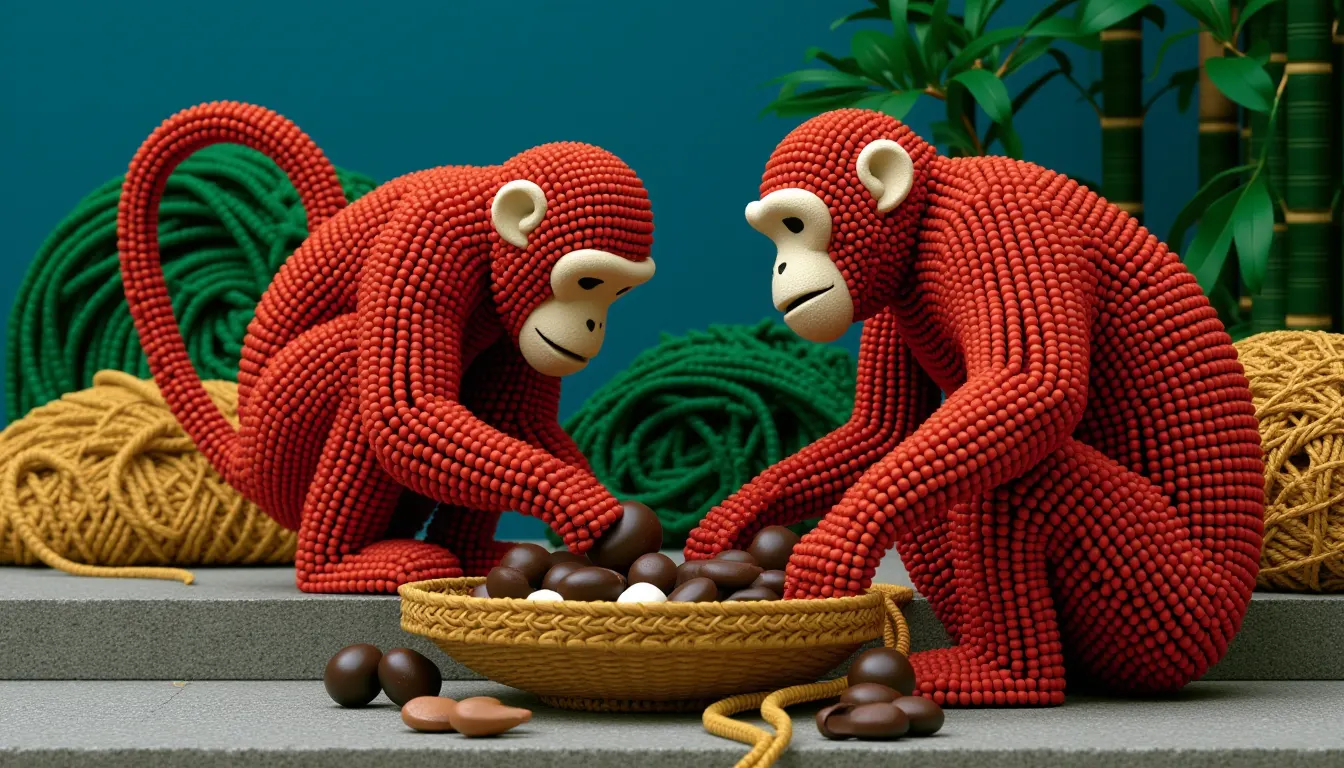
有一个猴子的主人,每天喂猴子吃栗子,本来说好早上三颗栗子,晚上四颗栗子,一天一共七颗。猴子们一听,都很生气,觉得早上的栗子太少了。

There was a monkey owner who fed his monkeys chestnuts every day. The original deal was three chestnuts in the morning and four at night, seven a day total. When the monkeys heard this, they got very angry, feeling the morning chestnuts were too few.

小周

才差一颗栗子,猴子生气什么?

It's only one chestnut's difference. What were the monkeys so angry about?

阿哲

主人看猴子生气,就说,那这样吧,早上四颗栗子,晚上三颗栗子。猴子们一听,全都开心地跳了起来。

Seeing the monkeys angry, the owner said, all right then, four chestnuts in the morning and three at night. When the monkeys heard this, they all jumped up happily.

小周

这不是一样的吗?还是一天七颗栗子,总数根本没变啊!

Isn't that the same thing? Still seven chestnuts a day. The total didn't change at all!

阿哲

对,总数一颗都没变,变的只是顺序。可是猴子先生气,后开心,好像自己真的多得了什么。

Right, the total didn't change by even one chestnut. Only the order changed. But the monkeys were angry first and happy after, as if they'd really gained something.

小周

你是说,我跟猴子一样?

Are you saying I'm the same as the monkeys?

阿哲

我没有直接这么说,是你自己说的。你合同的总数没变,只是顺序倒过来了,你却觉得吃亏,这跟猴子的反应,有什么区别?

I didn't say that directly, you said it yourself. Your contract's total hasn't changed, only the order was reversed, yet you feel you're losing out. How is that different from the monkeys' reaction?

小周

可是我的感觉是真的,前八个月钱确实少了,压力是真的大。这跟猴子的故事,是一样的道理吗?

But my feeling is real. The first eight months really do have less money, and the pressure is really real. Is that actually the same reasoning as the monkey story?

阿哲

道理是一样的,但你的感觉也不是没有理由。栗子的总数不变,可是你先花钱的时候,手里的钱是真的少,这个区别猴子在乎,人也在乎,庄子的故事没有说这种在乎是错的。

The reasoning is the same, but your feeling isn't without a reason either. The chestnut total doesn't change, but when you have to spend money early on, there's really less in your hand. Monkeys care about that difference, and people do too. Zhuangzi's story never says that caring is wrong.

小周

那庄子想说的是什么?

So what was Zhuangzi actually trying to say?

阿哲

他想说的是,很多时候我们生气或者开心,只是因为顺序变了,总数没变,我们却好像多得到了或者少得到了什么。知道这一点,不能让你不生气,但至少能让你明白,自己在为什么生气。

What he wanted to say is that a lot of the time we get angry or happy just because the order changed while the total stayed the same, and yet we feel as if we gained or lost something. Knowing this can't stop you from getting angry, but at least it lets you understand what you're actually angry about.

小周

所以下次我跟公司提意见的时候,至少知道自己在乎的是顺序,不是总数,也不是被朝三暮四骗了。

So next time I raise this with the company, at least I'll know what I actually care about is the order, not the total, and that I haven't been fooled by "three in the morning, four at night."

阿哲

对,这就是朝三暮四。三千年前的猴子和现在的你,在乎的东西差不多一样。

Right, that's exactly "three in the morning, four at night." The monkeys three thousand years ago and you now care about pretty much the same thing.

小周

那我还要不要跟公司提意见?

So should I still raise this with the company or not?

阿哲

当然要提,顺序对你的生活是真的有影响,这不是猴子的问题,是你自己的钱。朝三暮四提醒你的是,先看清楚总数有没有变,再决定要为顺序生多大的气。

Of course you should raise it. The order really does affect your life, that's not the monkeys' problem, it's your own money. What "three in the morning, four at night" reminds you is: first see clearly whether the total has changed, then decide how angry to get about the order.

看懂了吗 · Check yourself

In the story, how many chestnuts did the monkeys get in total each day?

七颗

Why were the monkeys angry the first time they heard the plan?

觉得早上的栗子太少了

What did the owner change to make the monkeys happy?

早上四颗栗子,晚上三颗栗子

According to Ah Zhe, what does Zhuangzi's story say about caring how something is arranged, even when the total doesn't change?

没有说这种在乎是错的

Read it with the crutches, then without them. In the study room this passage comes with pinyin you can toggle on a character at a time, a native recording that highlights each word as it is spoken, and the comprehension check as a real graded quiz. It arrives when the words in it are ones you have already learned.

Open this reading in the app

More HSK 5 readings

Why Water Wins为什么水能赢A friend explains how she finally got her demanding landlord to fix the heating, not by arguing but by agreeing with everything he said until he ran o…HSK 5 · 370 characters · 4 min · philosophyNot the Season, Not Eaten不时不食A greenhouse-grown winter tomato tastes like nothing, and one friend wonders why people still buy it. The other mentions that Confucius reportedly ref…HSK 5 · 457 characters · 5 min · foodNever Give a Clock别送钟Two friends shopping for a housewarming gift nearly buy a beautiful clock before one stops the other: giving a clock sounds exactly like seeing someon…HSK 5 · 466 characters · 5 min · cultureShould You Finish Your Plate该把盘子吃光吗At a family dinner, the wife wants to finish every dish because school taught her the Clean Plate Campaign, while her husband was raised to always lea…HSK 5 · 470 characters · 5 min · foodAnswer It or Let It Ring接不接电话An older colleague who always calls first and a younger one who always texts back argue about what a ringing phone actually asks of the person who hea…HSK 5 · 480 characters · 5 min · dailyRound Like the Moon和月亮一样圆A woman living far from home realizes she will miss Mid-Autumn Festival with her family for the first time. A friend explains why the festival centers…HSK 5 · 490 characters · 5 min · culture

All HSK 5 readings → The whole library →