Readings · HSK 3

读一读 · HSK 3 阅读 · history

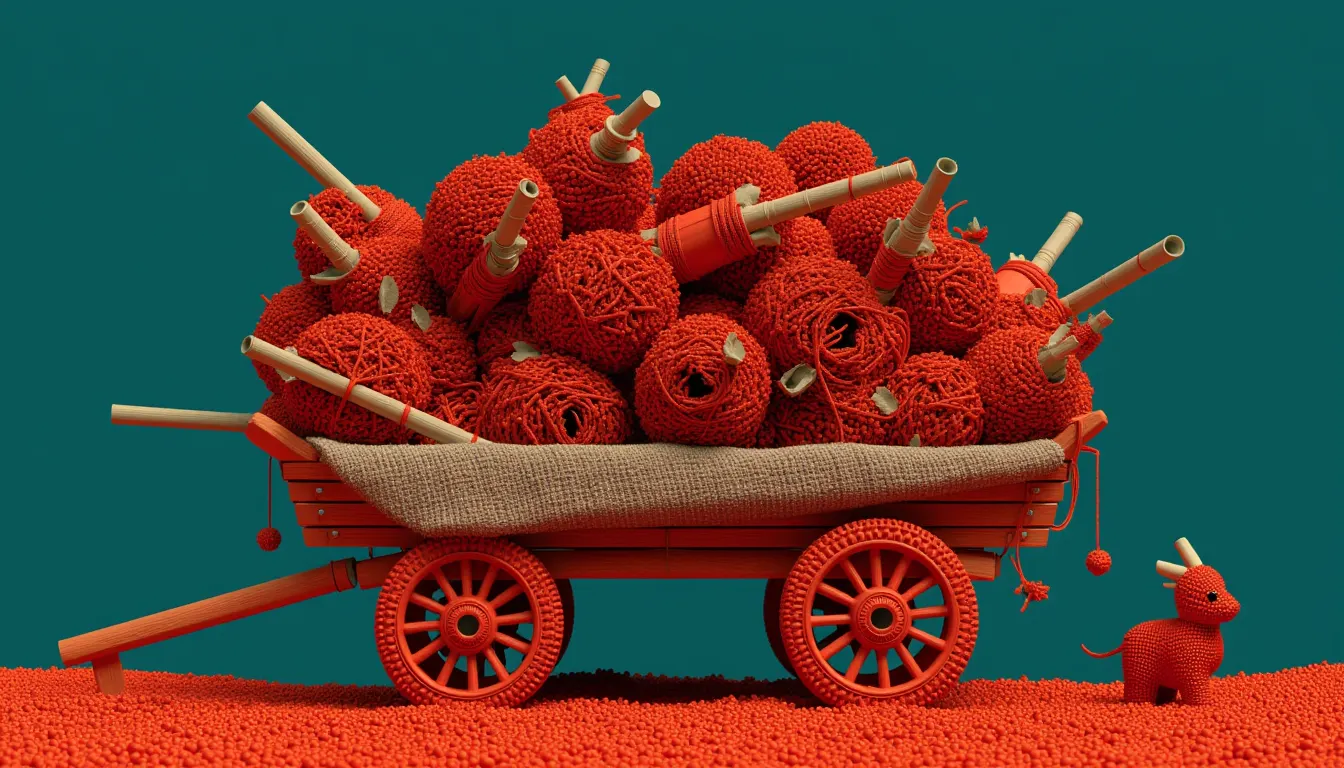
学富五车

Five Carts of Books

生词 · New in this passage

paper
竹子bamboo
heavy
学富五车idiom, literally "learning enough to fill five carts of books" — extremely well read, immensely learned
小雨

我们历史老师读的书特别多,同学们都说他学富五车。

Our history teacher has read an incredible number of books. Classmates all say he's "five carts of books" learned.

小天

学富五车?这是什么意思?读书多,为什么要用车来说呢?

"Five carts of books"? What does that mean? If he's read a lot, why describe it using carts?

小雨

这句话是很久以前的说法,那时候还没有纸,写字用的是竹子。

This phrase comes from a very long time ago, from before there was paper, when people wrote on bamboo.

小天

用竹子写字?那不是很难写吗?

Writing on bamboo? Wouldn't that be hard to write on?

小雨

是不容易,而且竹子写出来的书很重,也很大。一本书可能要用很多竹子才能写完。

It's not easy, and a book written on bamboo was heavy and big. One book might need a lot of bamboo just to get written.

小天

那如果一个人读了很多这么重的书,家里得有多少竹子啊?

So if someone read a lot of books that heavy, how much bamboo would there be at their house?

小雨

对啊,如果一个人读的书多到要用五辆马车才能放得下,大家就说他学富五车。

Exactly. If someone's books needed five horse-carts just to hold them all, people would call him "five carts of books" learned.

小天

五辆马车的书,那得多少人才能搬得动啊,太不方便了。

Five cart-loads of books. How many people would it take to move that? So inconvenient.

小雨

然后有了纸,书就不重了,五车书的东西,可能一个小房间就放得下。

Then paper came along, and books stopped being heavy. What once needed five carts might now fit in one small room.

小天

房间还是要花钱买,但是跟五辆马车比,还是好多了。

A room still costs money, sure, but compared to five horse-carts, that's a lot better.

小雨

现在呢?现在这些字可能都在一个小小的手机里,你到哪儿都能带着走。

And now? Now those same words might all be inside one tiny phone, one you can carry anywhere.

小天

这么说,学富五车这句话,从竹子,到纸,到手机,说的是两千年的书的故事。

So this phrase, "five carts of books," going from bamboo to paper to phones, is telling the two-thousand-year story of the book.

小雨

对,我们刚才就是这样,先想到手机,再想到纸,最后才想到竹子有多重。

Right, that's exactly what we just did. We thought of the phone first, then paper, and only at the end thought about how heavy the bamboo really was.

看懂了吗 · Check yourself

Before paper existed, what did people write on?

竹子

According to Xiaoyu, how many horse-carts would you need to move a personal library worth of bamboo books?

五辆马车

What happened to books once paper appeared?

书就不重了

Where do all those same words fit today, according to Xiaoyu?

一个小小的手机里

Read it with the crutches, then without them. In the study room this passage comes with pinyin you can toggle on a character at a time, a native recording that highlights each word as it is spoken, and the comprehension check as a real graded quiz. It arrives when the words in it are ones you have already learned.

Open this reading in the app

More HSK 3 readings

The App That Knows My Taste手机怎么知道我喜欢什么Two friends notice their phones recommend exactly what they like, and disagree about whether an algorithm doing that is convenient or unsettling. One…HSK 3 · 255 characters · 3 min · techWhere You Study Best在哪儿学习最好A student always studies at a busy coffee shop and says the background noise actually helps her focus; her roommate needs total silence in the library…HSK 3 · 327 characters · 4 min · dailyWorking from Home在家上班Two colleagues who used to sit near each other compare working from home with going to the office. One switched to working from home last month and li…HSK 3 · 339 characters · 4 min · current-eventsThe Message I Sent by Mistake发错了消息A woman sends a message complaining about her boss, but her phone sends it straight to the boss instead of to her friend. She calls her friend in a pa…HSK 3 · 340 characters · 4 min · techLearning to Cook My Mother's Dish学妈妈做的菜A daughter calls her mother to learn how to make the dish her mother always cooks. She wants an exact amount for the salt, but her mother can only eve…HSK 3 · 350 characters · 4 min · dailyWhy Do You Ask My Age为什么问我的年龄A foreign student is asked her age, her salary and whether she is married within minutes of meeting a new coworker, and feels the questions are much t…HSK 3 · 351 characters · 4 min · culture

All HSK 3 readings → The whole library →