读一读 · HSK 4 阅读 · philosophy
愚公移山
The Old Man Who Moved the Mountains
生词 · New in this passage
我不想学中文了。汉字太多了,几千个字,我学多久也学不完,学了也没有用。
I don't want to study Chinese anymore. There are too many characters, thousands of them. No matter how long I study, I'll never finish, so studying feels pointless.
你这是什么话?我给你讲一个故事吧,是愚公移山,你听过吗?
What kind of talk is that? Let me tell you a story. It's called Yugong Moves the Mountains. Have you heard it?
没听过,这是什么意思,愚公是谁?
No, I haven't. What does it mean? Who is Yugong?
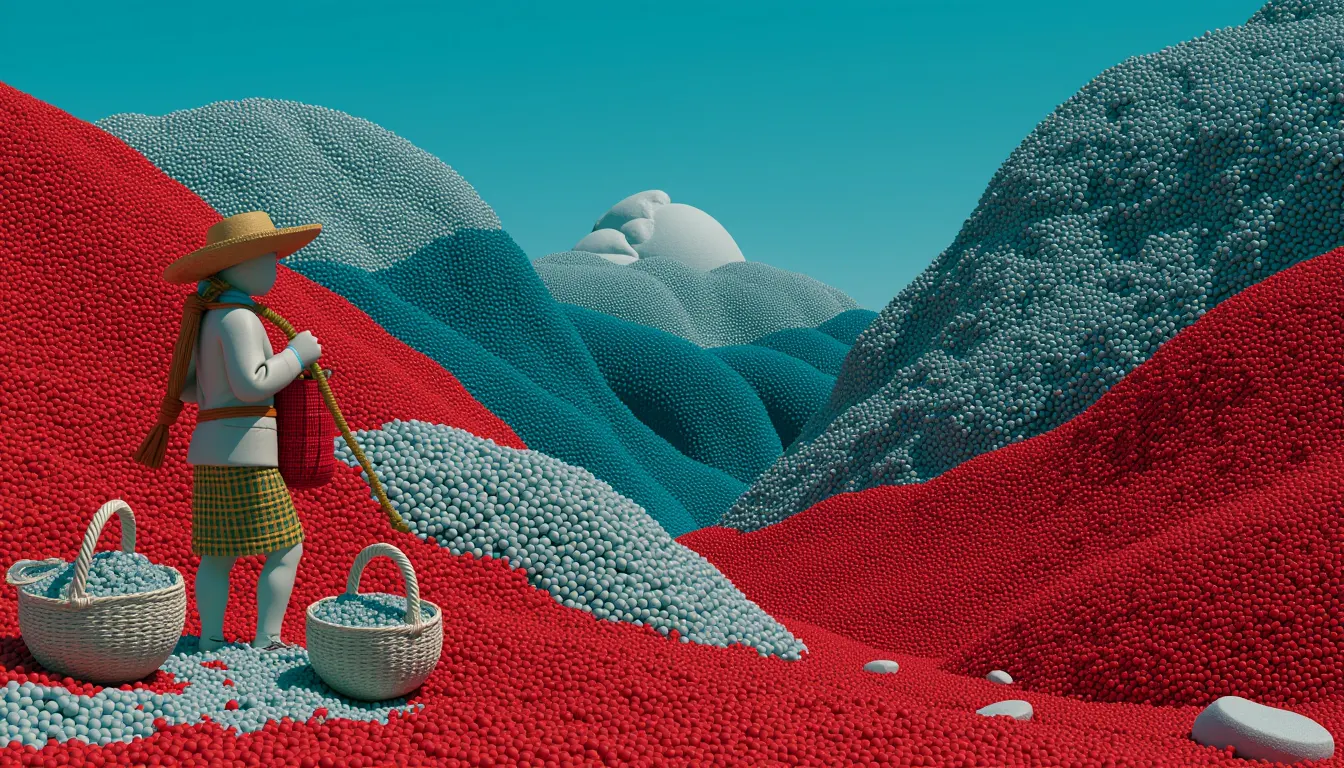
以前有一个老人,大家都叫他愚公,意思是很笨的老人。他家门前有两座很大的山,每次出门都要走很远的路,很不方便。
Long ago there was an old man. Everyone called him Yugong, which means 'the foolish old man.' There were two huge mountains in front of his house, so every time he went out he had to walk a long way, which was very inconvenient.
山那么大,他怎么办?
The mountains were so big, what did he do?
他决定把两座山都挖走,这样以后出门就方便了。他每天带着家人去挖山上的东西。
He decided to dig both mountains away, so that going out would be convenient from then on. Every day he took his family to dig at the mountain.
两座那么大的山,一个老人怎么挖得完?这不是不可能的事吗?
Two mountains that big, how could one old man ever finish digging them away? Isn't that just impossible?
附近有一个人,大家叫他智叟,意思是聪明的老人,他也是这样问愚公的。他笑愚公,说愚公都这么老了,力气也不大,怎么可能把两座山都挖走。
There was a man nearby everyone called Zhisou, which means 'the clever old man,' and he asked Yugong the same thing. He laughed at Yugong, saying Yugong was already so old and didn't have much strength, so how could he possibly dig both mountains away.
智叟说得也对啊,愚公怎么回答?
Zhisou has a point too. How did Yugong answer?
愚公说,我死了,还有我的儿子,儿子死了,还有孙子,孙子以后还有孙子的孩子,我们家一代一代都不会没有人,但是山不会变高,也不会变大,那我们为什么挖不完呢?
Yugong said, when I die, I still have my son. When my son dies, there is still my grandson. After my grandson, there will still be my grandson's children. Our family will never run out of people, generation after generation, but the mountains will never grow taller or bigger, so why couldn't we finish digging them away?
这句话说得真好。虽然一个人做不完,但是一代一代地做,总有一天能做完。
That's really well said. Even though one person can't finish it, if generation after generation keeps doing it, someday it will get done.
对,这个故事最后说,两座山真的被搬走了。但是最重要的不是山搬走了没有,是愚公说的那句话。这个故事想告诉我们,一个人学多久也学不完几千个汉字,没关系,你今天学一点,明天学一点,一直学下去,一代一代地学,总有一天你会发现自己已经学会了很多。
Right, the story ends by saying the two mountains really were moved away. But what matters most isn't whether the mountains were actually moved, it's the line Yugong said. This story wants to tell us that it's fine if no single person can finish learning thousands of characters in a lifetime. You study a little today, a little tomorrow, keep studying, generation after generation, and someday you'll discover you've already learned a great deal.
我明白了,问题不是山有多大,字有多少,是你愿不愿意一直坚持下去。
I understand now. The question isn't how big the mountains are, or how many characters there are, it's whether you're willing to keep at it.
对,愚公不知道自己能不能看到山被搬走的那一天,但是他还是每天都去挖。学中文也是这样,你不知道哪一天能学完,但是每天学一点,总会有进步。
Right, Yugong didn't know whether he himself would live to see the mountains moved away, but he still went to dig every day. Studying Chinese is the same. You don't know what day you'll finish, but if you study a little every day, you'll always make progress.
看懂了吗 · Check yourself
What does the old man's name, Yugong, actually mean?
很笨的老人
What was blocking the front of Yugong's house?
两座很大的山
What does Yugong say will never run out, generation after generation, even after he himself dies?
我们家一代一代都不会没有人
According to Li Qiang, what matters more than whether the mountains were actually moved?
是愚公说的那句话